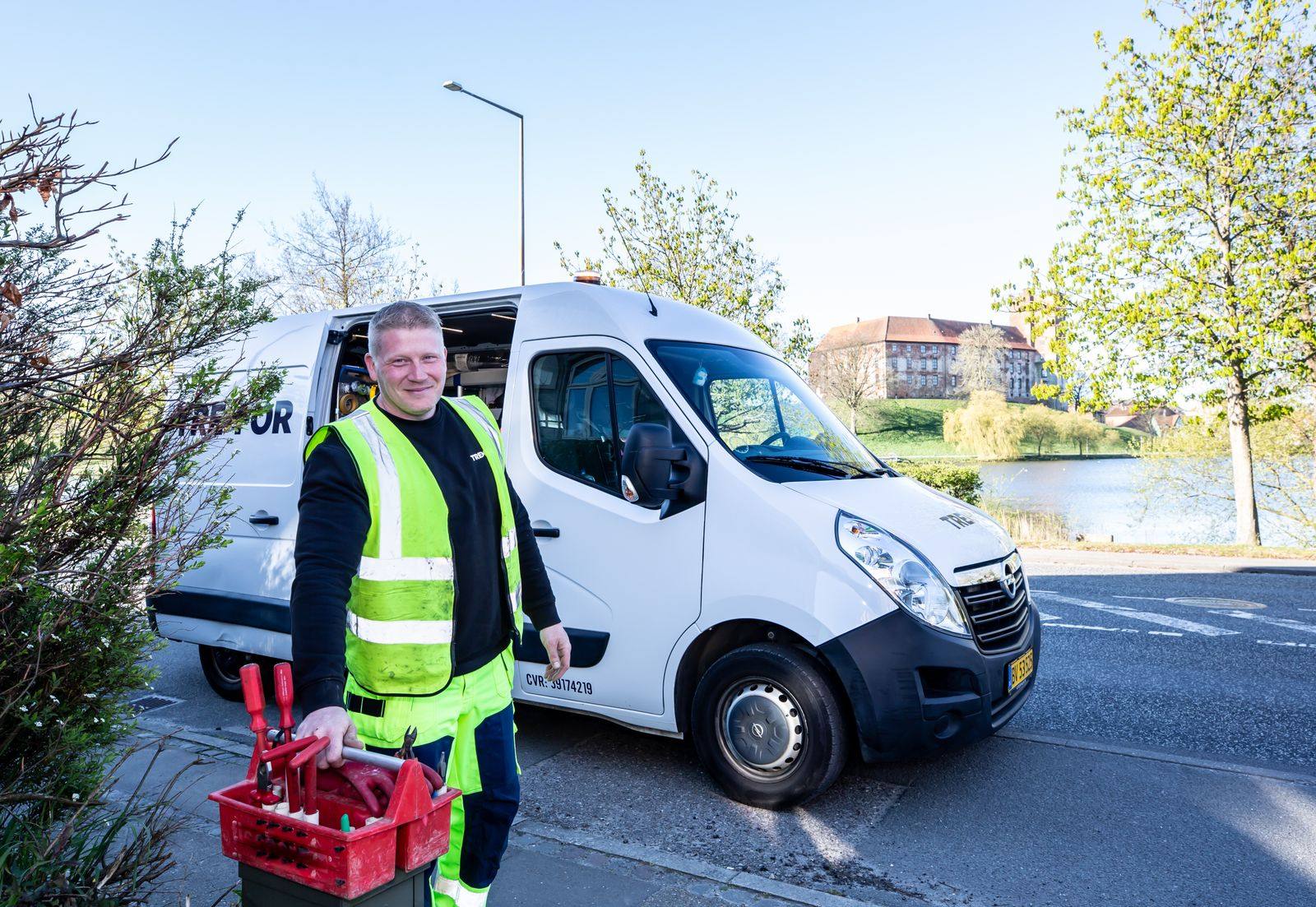
How do you know a water heater problem is urgent? Usually it is one of four things: active flooding, a discharging relief valve, water hot enough to burn, or a gas odor. Flooding is the one that surprises people most. A failed tank is still connected to the cold supply, so it keeps refilling and leaking long after its own contents are gone, and the damage reaches finished floors and lower rooms fast. A temperature and pressure relief valve that keeps releasing water or steam is the heater signaling a safety limit has been exceeded. Scalding water points to a runaway thermostat or gas control. A gas smell is its own category and has its own first steps, covered below. Across Reno, NV, we handle every one of these as a priority call.
Here is the order that keeps people safe. First, gas. If there is any smell of gas, get everyone out, leave light switches and outlets alone, and call the gas utility or 911 once you are outside; a water heater repair can wait until they clear the area. Next, the water. Turn the cold-water valve above the heater clockwise until it stops, or close the home's main shutoff if that valve refuses to turn. Third, energy. Set a gas control to OFF, or turn off the breaker for an electric heater, but only if you can reach the panel without standing in water. A relief valve that is releasing water must never be blocked. With the heater isolated, call (775) 314-3959 and describe what you see.
When you reach Reno Water Heater, we start by asking what you see, hear, and smell, and we confirm the shutoffs are holding before anyone leaves the shop. We dispatch as quickly as we can and give you a realistic time frame rather than a promise we cannot keep. Our trucks carry the parts behind most urgent failures, including relief valves, thermocouples, flame sensors, heating elements, thermostats, drain valves, and supply connectors, so plenty of emergencies are fixed in a single visit. When the tank itself has failed, patching it is not an honest option, so we explain replacement options, secure the area, and restore hot water as soon as the new heater is in. For emergency water heater repair in Reno, call (775) 314-3959.
Our most requested service is Water Heater Repair in Reno. Either is a good place to start.
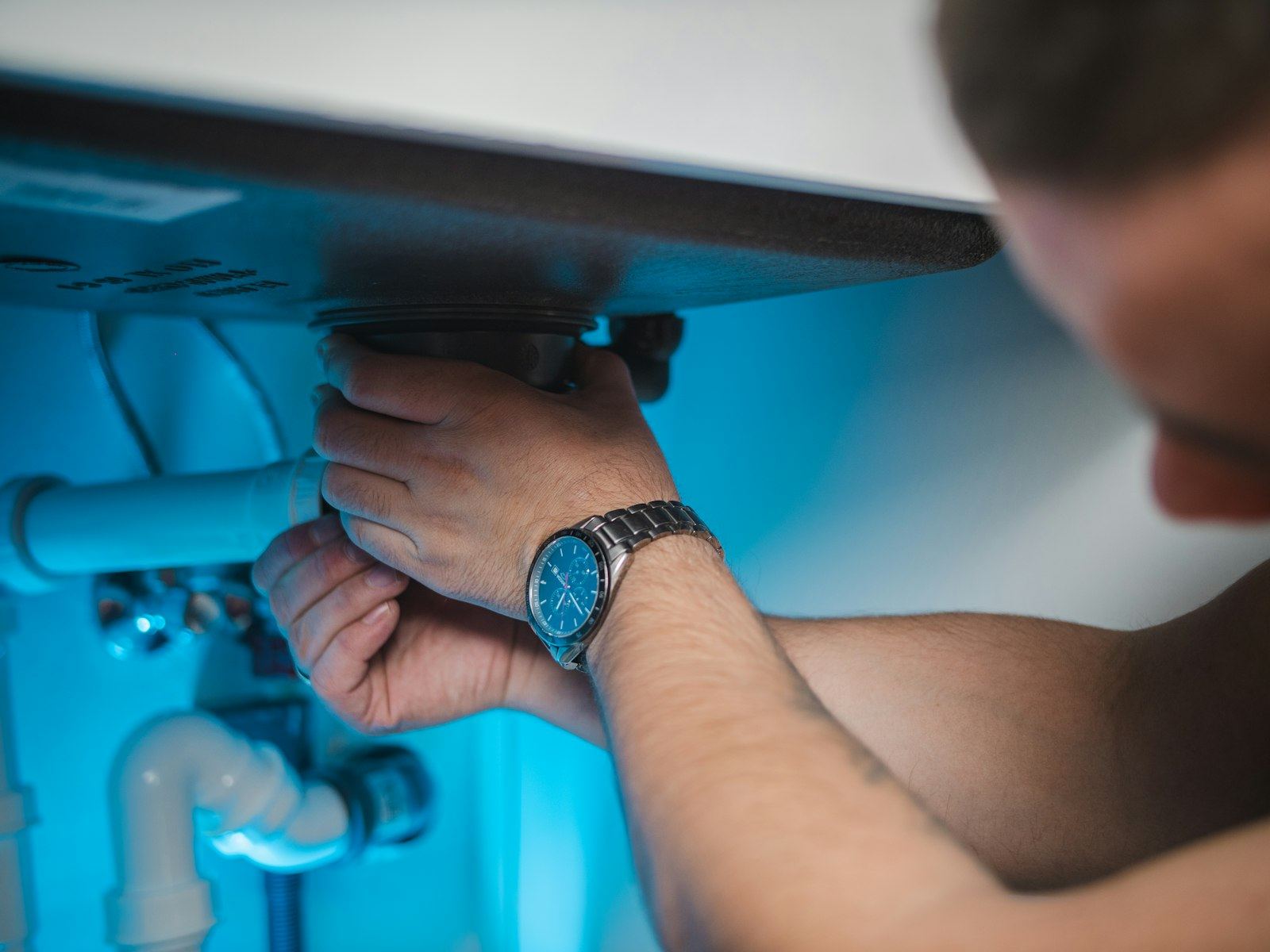
Symptoms That Mean It's Time to Call
Water heaters usually give plenty of warning before they fail, as long as you know what to look and listen for. Watch for these telltale signs that professional help is needed:
- A rotten-egg smell near a gas water heater (leave first, and call the gas utility)
- Black soot or heat discoloration around the burner door or draft hood
- Tap water hot enough to burn, even at the usual setting
- Sudden loud knocking or boiling sounds coming from inside the tank
- A puddle under the tank that keeps growing
- Water or steam coming from the temperature and pressure relief valve or its discharge pipe
- A complete loss of hot water throughout the house
- A breaker that trips every time the electric heater tries to run
A Slow Leak Never Stays Slow
A worn-out anode rod, a sediment-choked tank, or a weak thermocouple rarely fixes itself, and the repair usually costs more the longer it waits. Call Reno Water Heater at (775) 314-3959 at the first sign of trouble.
Need Help With Emergency Water Heater Repair?
Call Reno Water Heater for fast, reliable service.
Tap to Call (775) 314-3959Your Emergency Water Heater Repair Questions Answered
Why Professional Emergency Water Heater Repair Matters
The risks in a water heater emergency are easy to underestimate. In reality, you may be dealing with standing water beside 240-volt wiring, a gas supply and live burner a few inches from a puddle, and a tank of very hot water under pressure. The relief valve, if it is firing, is the last safeguard between an overheated tank and a violent failure, and plugging it is one of the most dangerous things anyone can do to a heater. Relighting a pilot while gas lingers, or forcing a rusted connection, can make things much worse. Leave, shut off, and call is the right sequence for anyone without the tools and training.
Why call a technician instead of improvising? Certainty and safe sequencing. We verify the shutoffs, check for gas leaks with proper tools, and confirm the area is safe for electrical work. Then we find the root cause. A discharging relief valve often means high street pressure or no room for thermal expansion; a puddle might be a drain valve, a dielectric fitting, condensation, or a failed tank; a cold house may trace back to a thermocouple, an element, or a tripped high-limit switch. No two of those share a fix. We repair what can honestly be repaired, and when the tank is the problem, we explain your replacement options clearly and without a hard sell.
From Your Call to Hot Water
Every visit follows a step-by-step method built around testing first and replacing parts only when the readings call for it. Here's exactly how a typical visit unfolds:
Safety Call & Shutoff Guidance
On the call, we check for any gas odor first, then guide you to the cold-water valve and the heater's gas control or breaker so the damage stops growing while help is on the way.
Dispatch & Site Safety
You get a straight answer on timing, not a promise we cannot keep. Once on site, we check the shutoffs, the gas or electrical supply, and the vent before touching the heater itself.
Repair or Honest Replacement
If a component failed, we swap it on the spot. If the tank itself is leaking, we explain why it cannot be patched and walk you through replacement options and pricing.
Test and Confirm
Before we leave, the tank is refilled and bled of air, the burner or elements are brought back online, and we confirm dry connections, a working relief valve, and a safe 120F setting.
Water Heater Care Tips From Our Technicians
A few simple habits, like an annual flush and a quick look at the relief valve, can add years to a tank. Here are our recommendations:
- A 120F setting is safer for skin and easier on the heater than the hottest setting
- Consider an automatic leak shutoff that stops the cold supply the moment water hits the floor
- Test the T&P valve annually; a valve that sticks or weeps afterward should be replaced
- Find and label the cold-water shutoff at the heater and the main house valve now, before you ever need them
- Keep boxes, paint, gasoline, and cleaning products well away from a gas water heater
- Flush sediment from the tank yearly, since buildup overheats the bottom and speeds corrosion
- A drain pan with a proper drain line under the tank can turn a flood into a manageable puddle
Should You DIY or Call a Pro?
A few tasks, like checking the temperature setting or lifting the relief valve lever to test it, are fine for homeowners, but most water heater work involves gas lines, venting, 240-volt circuits, or a tank full of scalding water, and that belongs with a professional. Here's how the two approaches stack up:
| Factor | Doing It Yourself | Hiring a Pro |
|---|---|---|
| Gas Odor | Tempted to relight or poke around | Evacuate, utility clears it, then leak testing |
| Water Control | Seized valves forced until they break | Shutoffs confirmed holding before diagnosis |
| Relief Valve | Valve ignored or blocked off | Cause found: pressure, expansion, or overheating |
| Electrical Hazard | Handling 240V near standing water | Breaker isolated and wiring checked first |
| Diagnosis | Symptom treated, source unknown | Exact source traced before parts are swapped |
| Result | Temporary patch, risk of repeat flooding | Hot water back and connections proven dry |
Talk to Our Emergency Water Heater Repair Team
Don't let a failing water heater get worse. Call Reno Water Heater now for prompt, professional service.
Call (775) 314-3959 TodayAreas We Serve for Emergency Water Heater Repair
We bring emergency water heater repair to homes and businesses in town and across the nearby communities. Pick your area to see local details.